Top 5 Myths About Renewable Energy Storage and the Real Facts
JR
Understanding Renewable Energy Storage
As the world shifts towards sustainable solutions, renewable energy storage has become a hot topic. However, several myths persist, clouding public perception and slowing adoption. In this post, we’ll debunk the top five myths surrounding renewable energy storage and unveil the real facts.
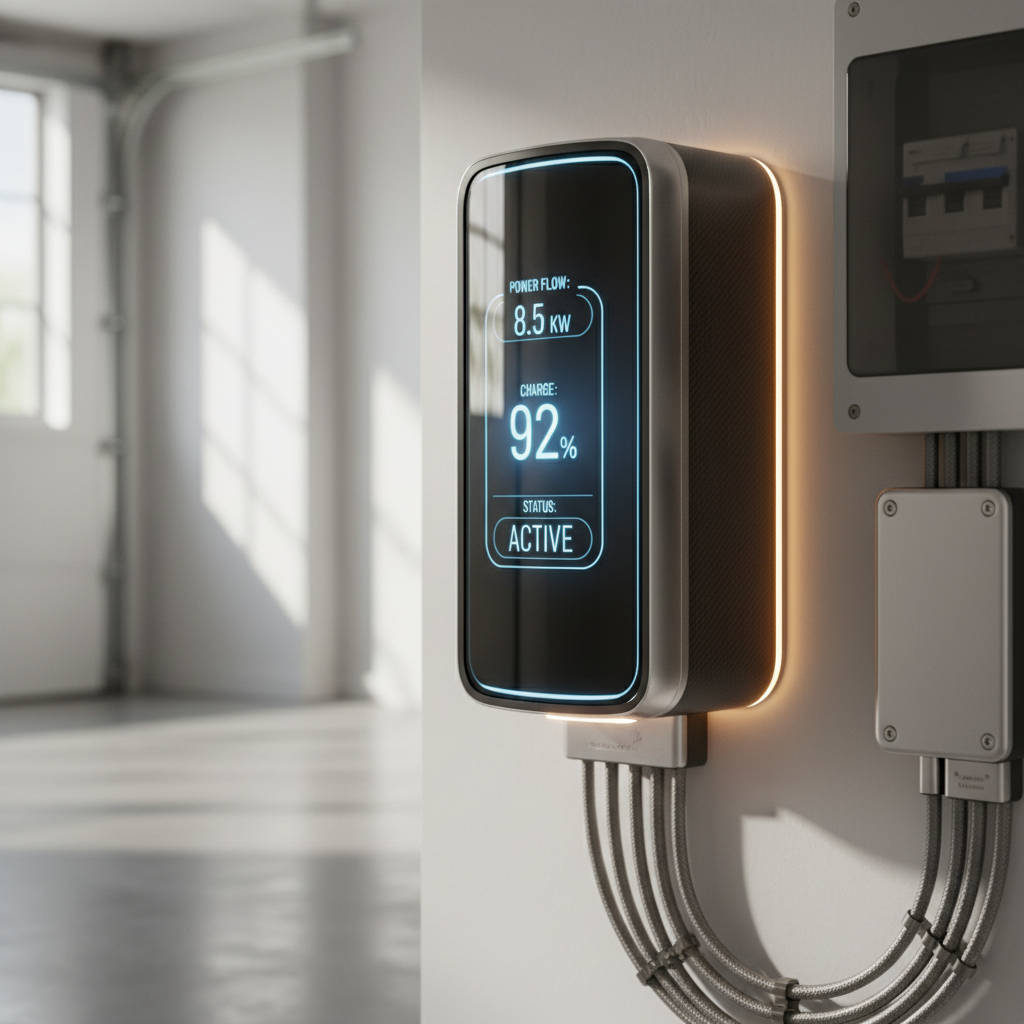
Myth 1: Renewable Energy Storage is Too Expensive
One common myth is that storing renewable energy is prohibitively expensive. While it's true that initial costs can be high, the long-term savings and decreasing costs of technology are significant. Advances in battery technology and increased production have driven prices down. The cost of lithium-ion batteries, for example, has dropped by nearly 90% in the last decade.
Moreover, investing in storage solutions can lead to substantial savings on energy bills and reduce reliance on the grid, making it a cost-effective choice in the long run.
Myth 2: Batteries are the Only Storage Solution
While batteries are a popular choice, they are not the only option for energy storage. Alternatives like pumped hydro storage, thermal storage, and compressed air energy storage offer diverse solutions. Each has unique advantages and can be tailored to specific needs, ensuring flexibility in storage strategies.
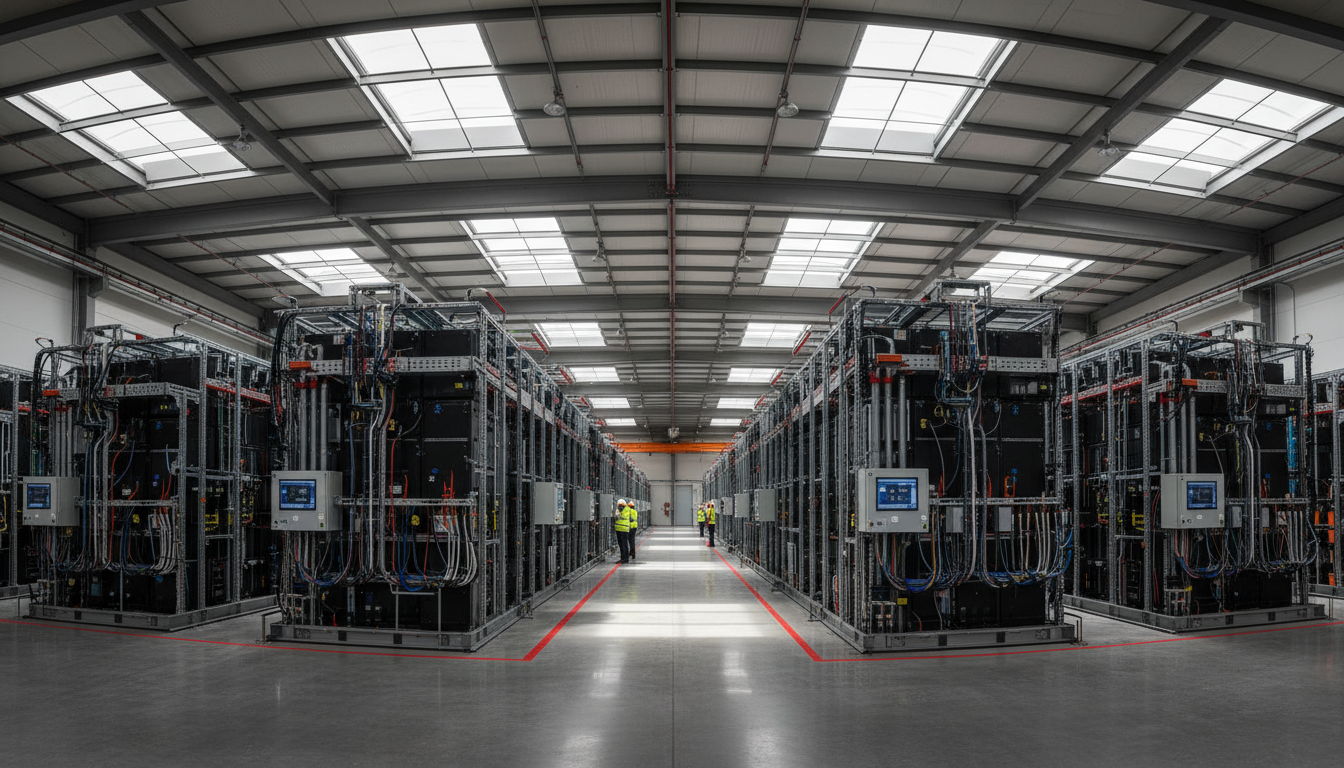
Myth 3: Renewable Storage is Inefficient
Critics often argue that renewable energy storage is inefficient. However, technological advancements have significantly improved efficiency rates. Modern systems can store and release energy with minimal loss, making them highly effective. For instance, the round-trip efficiency of lithium-ion batteries can reach up to 90%.
This efficiency ensures that stored energy is utilized effectively, maximizing the benefits of renewable sources.
Myth 4: Storage Solutions Have a Short Lifespan
Another misconception is that energy storage solutions, especially batteries, have a short lifespan. In reality, most systems are designed for longevity. High-quality lithium-ion batteries can last over a decade with proper maintenance. Additionally, many storage technologies are recyclable, reducing environmental impact.
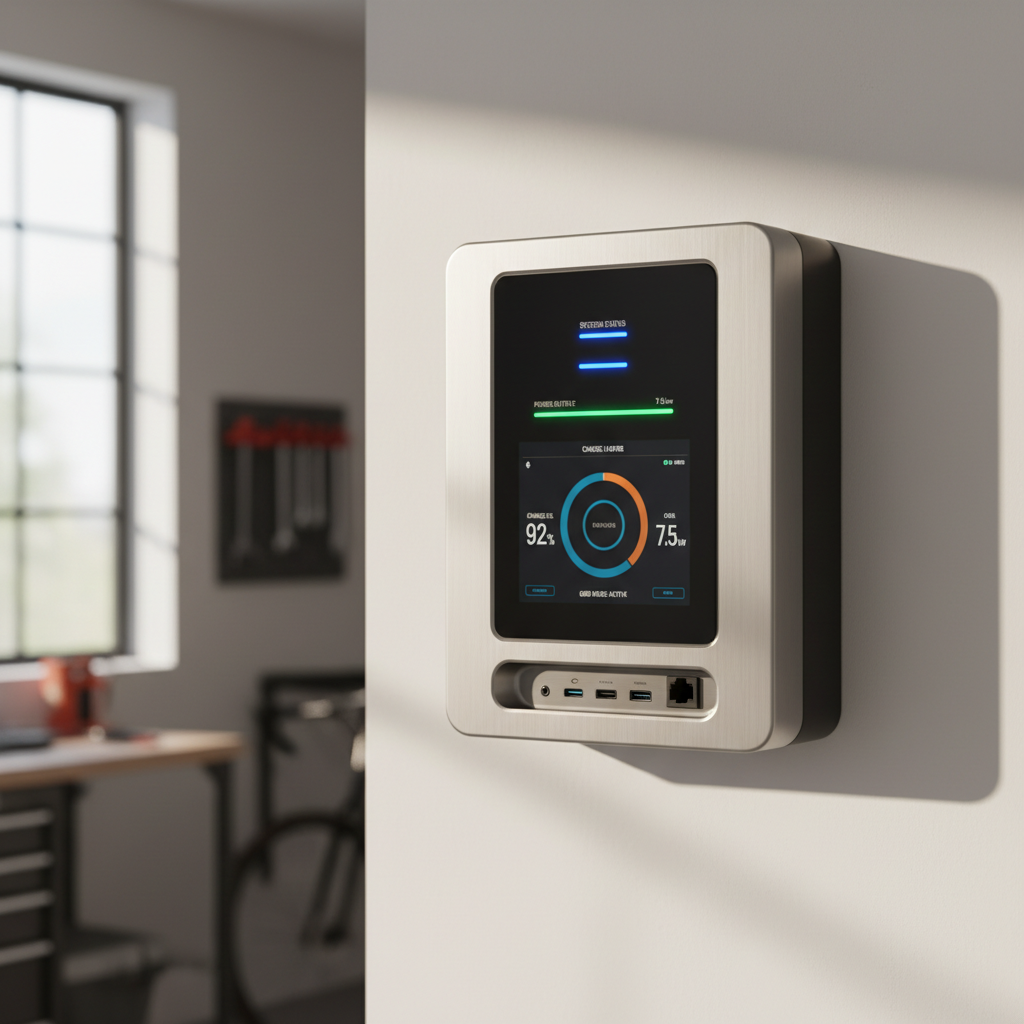
Myth 5: Only Large-Scale Projects Benefit
It's often believed that only massive energy projects can benefit from storage solutions. This is not true. Small-scale residential systems are increasingly common and affordable. Homeowners can install battery systems to store solar energy, reducing their reliance on the grid and cutting energy costs.
From individual homes to large enterprises, renewable energy storage offers scalable solutions for various needs.
The Future of Renewable Energy Storage
Understanding the reality of renewable energy storage is crucial for its adoption. As technology continues to advance, debunking these myths is essential for encouraging widespread use. With ongoing research and development, renewable energy storage will play a pivotal role in creating a sustainable future.